
The evolution of gambling through the ages
Ancient Beginnings
The origins of gambling can be traced back to ancient civilizations, where it served both entertainment and ritualistic purposes. Archaeological findings suggest that the earliest forms of gambling were present in China as early as 2000 BC. The use of rudimentary dice and betting on the outcomes of games reflected a fundamental human desire for risk-taking and competition. Today, platforms like real money online casino offer similar thrills in a modern context.

In ancient Rome and Greece, gambling became more organized, with various forms of games of chance gaining popularity among citizens. These societies laid the groundwork for modern gambling practices, developing games like dice and betting on gladiatorial contests. The acceptance of gambling as a social pastime marked a significant evolution in the way people engaged with risk and fortune.
The Middle Ages and Renaissance
The Middle Ages witnessed a complex relationship with gambling, often intertwined with the church’s moral stance. Despite attempts to suppress gambling, it flourished, particularly in the form of card games and local betting events. This period saw the creation of the first gambling houses, albeit informal, where people gathered to engage in games of chance.
The Renaissance sparked a resurgence in gambling, with an influx of new games and more sophisticated betting systems. The introduction of playing cards from the East transformed social gatherings, leading to the establishment of casinos in Italy. These establishments set the stage for modern gambling as a legitimate business and cultural phenomenon, paving the way for future developments in the industry.
19th Century Revolution
The 19th century marked a pivotal turning point in the evolution of gambling. The establishment of legal casinos in Europe and America began to formalize the gambling industry, making it accessible to a broader audience. This era saw the rise of popular games like roulette and poker, which became staples in casinos worldwide.
Advancements in technology, such as the introduction of slot machines, transformed the gambling landscape by offering players new ways to engage with chance. The birth of these mechanical devices in the late 1800s revolutionized how people gambled, contributing to the growing popularity of casinos as entertainment hubs. The combination of legal frameworks and technological innovations helped to reshape public perception of gambling, transitioning it into a mainstream activity.
The Digital Age
The advent of the internet in the late 20th century brought about a seismic shift in the gambling world. Online casinos and betting platforms emerged, providing unprecedented access to gambling from the comfort of home. This new digital landscape opened doors for players, allowing them to engage in a variety of games with just a click of a button.
The rise of mobile technology further propelled the gambling industry, making it possible for individuals to gamble on smartphones and tablets. The convenience of online gambling has attracted a diverse demographic, changing the way people perceive and participate in gambling activities. Today, the digital realm continues to expand, with innovations in virtual reality and live dealer games enhancing the online gambling experience.
Modern Gambling and Safety
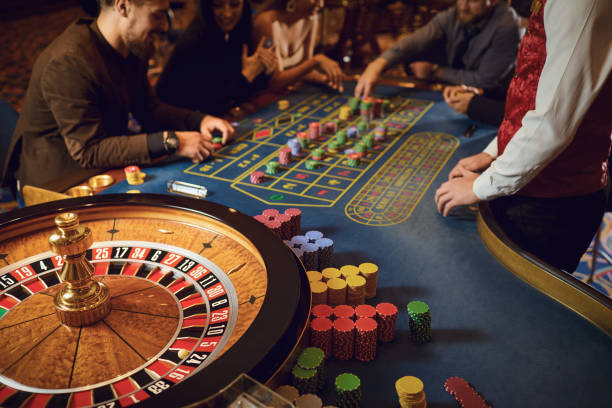
As the gambling industry evolves, the emphasis on player safety and responsible gambling has become paramount. Regulatory bodies have emerged to oversee online and land-based casinos, ensuring fair play and protection for consumers. This has fostered an environment where individuals can enjoy gambling with confidence, knowing there are measures in place to safeguard their interests.
Moreover, understanding the significance of security in online gambling is crucial. Platforms are increasingly implementing robust technologies to protect sensitive data and ensure a safe gaming experience. This evolution reflects a growing commitment to responsible gambling practices, allowing players to engage with their favorite games while minimizing risks associated with gambling.